Overview of Glider Elite India
Glider Elite India is a free-to-play flight adventure game developed and published by Daman Games, a leading homegrown game studio based in Bangalore, India. Launched on 15 October 2023, the game quickly became a sensation among desi gamers, thanks to its unique blend of fast-paced action, authentic Indian cultural elements, and accessibility across all types of devices – from budget Android phones (which make up over 80% of India’s mobile market) to high-end iPhones and web browsers.
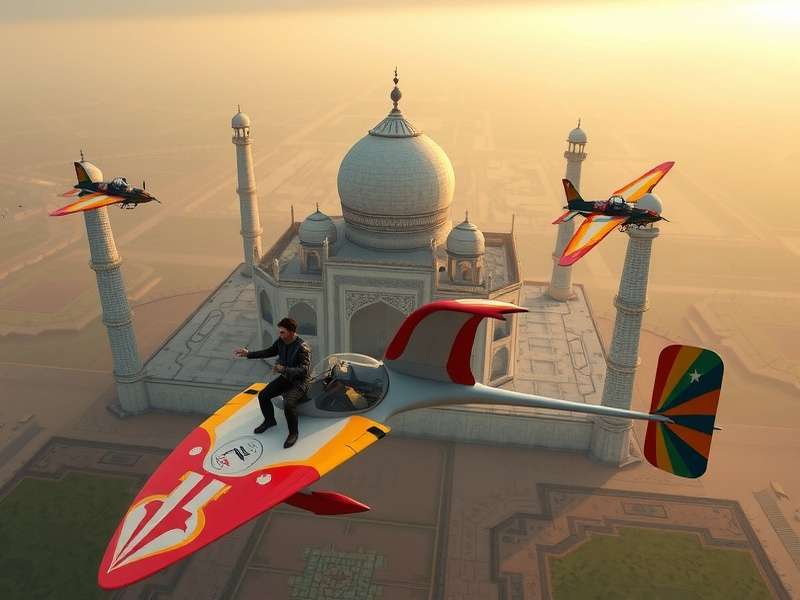
Core Vision: "We wanted to create a game that doesn’t just have an Indian theme, but feels Indian to its bones," says Rajesh Kumar, CEO of Daman Games. "Every desi gamer has dreamed of flying over the Taj Mahal with their friends, or customizing their ride with rangoli patterns and peacock designs. Glider Elite India turns that dream into reality – with gameplay that’s easy to pick up but hard to master, and features that solve real problems for Indian gamers, like offline support and low-data consumption."
The game’s success can be attributed to its deep understanding of the Indian gaming landscape. Unlike international flight games that focus on Western landmarks and high-end device requirements, Glider Elite India is built for the real Indian gamer – someone who might play on a 2GB RAM phone, have intermittent internet, and wants to see their own culture reflected in the game. Within six months of launch, it crossed 10 million downloads, and by November 2025, it had amassed over 15 million downloads on the Google Play Store alone, with a 4.7-star rating from more than 150,000 reviews – a rare feat for an Indian-developed game in the crowded action genre.
Key Differentiators for Desi Gamers
What makes Glider Elite India stand out from other flight and action games? Here are the core features that have resonated with Indian players:
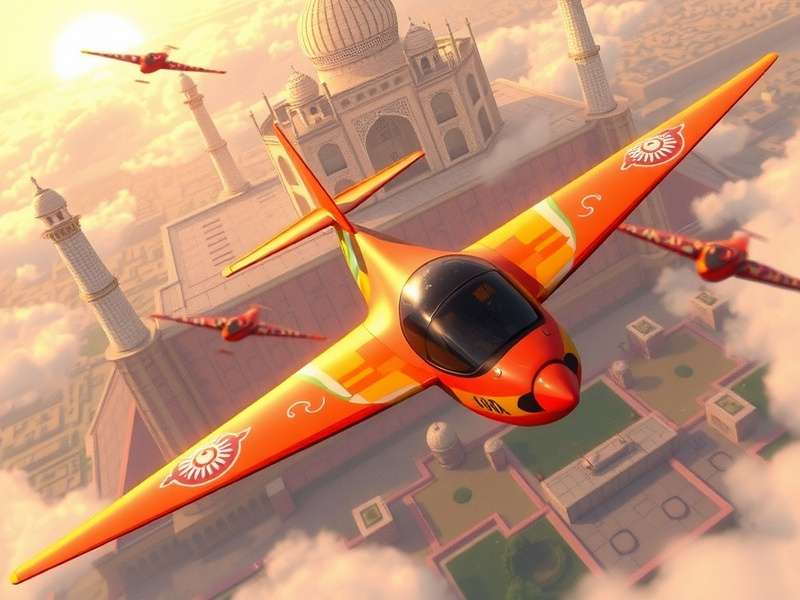
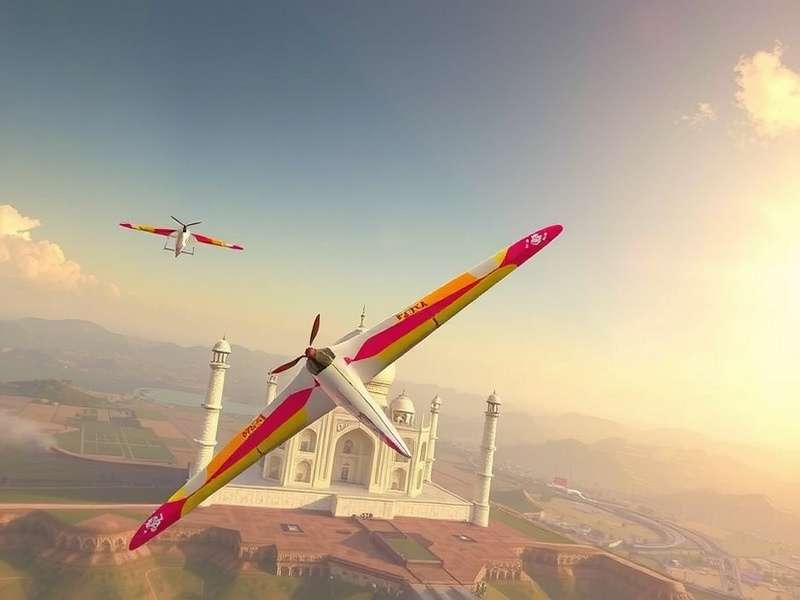
- Authentic Desi Localization: Forget about flying over the Eiffel Tower or Statue of Liberty – Glider Elite India lets you soar over India’s most beloved landmarks, including the Taj Mahal (Agra), Gateway of India (Mumbai), Red Fort (Delhi), Backwaters of Alleppey (Kerala), Himalayan Peaks (Uttarakhand), Statue of Unity (Gujarat), and Marina Beach (Chennai). Each location is recreated with meticulous attention to detail, from the color of the Taj’s marble to the greenery of Kerala’s backwaters, making players feel a sense of pride and familiarity.
- Device Accessibility for All: One of the biggest pain points for Indian gamers is games that only work on high-end phones. Glider Elite India is optimized for devices with 2GB RAM and above – a threshold that covers over 90% of smartphones in India. The game offers four graphics settings: "Battery Saver" (for low-end phones), "Balanced" (for mid-range devices), "High" (for premium phones), and "Ultra HD" (for flagship devices and web browsers). This ensures that whether you’re playing on a ₹6,000 budget phone or a ₹60,000 flagship, you get a smooth, enjoyable experience.
- Social Connectivity That Fits Indian Life: The game is integrated with WhatsApp and Instagram – the two most popular social platforms in India – making it easy to invite friends to play. It also supports both English and Hindi in-game chat, with plans to add Tamil, Telugu, and Punjabi in future updates. The "Desi Squads" guild system lets players form teams with friends, relatives, or even strangers from their state, and compete in regional tournaments that celebrate local pride.
- Cultural Customization with a Personal Touch: Gliders can be customized with themes that reflect Indian culture and festivals – from rangoli patterns and peacock feathers to Diwali fireworks and Holi colors. Characters sport traditional Indian attire, such as kurta-pajamas, salwar kameez, sarees, turbans, and lungis, with regional variations (like a Rajasthani angarkha or a Tamil Nadu pavadai). Even the in-game music blends classical Indian instruments (sitar, tabla, veena) with modern EDM beats, creating a soundtrack that feels both nostalgic and energetic.
- Offline Play Support: Internet connectivity is still a challenge in rural India, where over 60% of the population lives. Glider Elite India addresses this by offering full offline support for Adventure Mode and Challenge Mode. Players can download levels once and play them without an internet connection, earning rewards that sync to their account when they’re back online. This feature has made the game popular in small towns and villages, where data plans are often limited or expensive.
- No Pay-to-Win Mechanics: Unlike many mobile games that force players to spend money to compete, Glider Elite India uses a player-friendly monetization model. All core gameplay features are free, and monetization comes from cosmetic microtransactions (glider skins, character outfits, accessories) and optional ad watching for in-game rewards. Even the most rare items can be earned through gameplay – no need to open your wallet to win a multiplayer match. This has earned the game a loyal fanbase, as Indian gamers often shy away from pay-to-win models.
Development Background
Daman Games first conceived Glider Elite India in early 2022, after noticing a gap in the Indian mobile gaming market. While battle royale games like PUBG Mobile and Free Fire dominated the action genre, and casual games like Ludo King ruled the family-friendly space, there were few high-quality flight games tailored to Indian audiences. Most flight games available were either international titles with no Indian context or low-budget local games with poor graphics and gameplay.
The team of 35 developers, designers, and cultural consultants set out to create a game that would fill this gap. The first six months were spent on research: visiting Indian landmarks, interviewing regional experts, and surveying over 5,000 Indian gamers to understand their preferences. "We didn’t want to just slap a Taj Mahal texture on a generic level," says Priya Sharma, Lead Game Designer at Daman Games. "We wanted to capture the feel of each region – the sounds of Mumbai’s traffic, the calm of Kerala’s backwaters, the harsh beauty of Rajasthan’s desert. We worked with architects to ensure the landmarks were accurate, and with local musicians to create region-specific soundtracks."
One of the biggest challenges during development was optimizing the game for low-end devices. The team used a combination of asset compression, dynamic resolution scaling, and simplified particle effects for low-end devices, without compromising on the core visual appeal. "We tested the game on over 100 different budget phones, from brands like Xiaomi, Realme, and Samsung," says Rakesh Patel, Lead Technical Developer. "Our goal was to ensure that even a player with a ₹5,000 phone could play the game at 30 FPS with no lag. It took a lot of iterations, but it was worth it – over 60% of our players are on devices with 2GB or 3GB RAM."
Cultural sensitivity was another key focus. The team worked with consultants from different regions to avoid stereotypes and ensure that the game’s characters, outfits, and themes were respectful and authentic. For example, the Punjabi character’s outfit was designed in consultation with a fashion designer from Amritsar, and the Kerala backwaters level includes traditional houseboats and fishing nets that are true to the region’s culture. "We wanted every player to see themselves in the game," says Rajesh Kumar. "A gamer from Tamil Nadu should feel proud when they see a character in a traditional pavadai, and a gamer from Punjab should smile when they see a glider with a phulkari pattern."
The game’s monetization model was also a result of player feedback. In surveys, over 80% of Indian gamers said they preferred cosmetic microtransactions over pay-to-win mechanics. The team decided to follow this lead, ensuring that all power-ups, levels, and game modes are free to access, and that cosmetic items are purely for personalization. "We wanted to build trust with our players," says Priya Sharma. "When a player downloads our game, they know we’re not going to force them to spend money to enjoy it. That trust has led to higher retention rates and more positive reviews."
Release and Post-Launch Strategy
Glider Elite India was soft-launched in three Indian states – Karnataka, Maharashtra, and Uttar Pradesh – in August 2023, to gather feedback and make final adjustments. The soft launch was a success, with over 500,000 downloads and positive reviews highlighting the game’s accessibility and cultural authenticity. The team used this feedback to make tweaks, such as adding Hindi chat support, optimizing the offline mode for slower networks, and balancing the multiplayer matchmaking.
The full launch on 15 October 2023 (coinciding with Dussehra) was accompanied by a massive marketing campaign targeting Indian gamers. Daman Games partnered with popular Indian gaming influencers like Techno Gamerz, Mortal, and CarryMinati, who featured the game in their videos and live streams. The campaign also included social media ads in Hindi and English, and partnerships with mobile phone brands to pre-install the game on budget devices.
Post-launch, the team focused on regular updates to keep players engaged. Major updates are released every two months, with smaller bug fixes and balance changes every two to three weeks. The updates are often tied to Indian festivals – for example, a Diwali update with fireworks-themed gliders, a Holi update with color-based power-ups, and an Independence Day update with tricolor customization options. This strategy has helped the game maintain high retention rates, with over 40% of players returning to the game daily.
Gameplay Mechanics of Glider Elite India
Glider Elite India offers intuitive, fast-paced gameplay that balances accessibility for new players (including kids and casual gamers) with depth for seasoned competitive players. The core loop revolves around flying gliders through challenging courses, completing objectives, and competing against other players – all while leveraging desi-themed power-ups and customization options. Whether you’re a casual player looking to explore India’s landmarks or a competitive gamer aiming to climb the multiplayer rankings, the game has something for everyone.
Core Controls: Designed for Indian Gamers
The game’s controls are optimized for touchscreens, which are the primary way Indian gamers play mobile games. The team tested multiple control schemes during development and settled on two options that cater to different playstyles:
- Touch Steering (Default): This scheme is designed for casual players, kids, and anyone new to flight games. To steer the glider, simply swipe left or right on the screen. Tap the screen once to ascend (gain height) and hold your finger down to dive (lose height). This scheme is intuitive and requires minimal practice – most players can master it within their first match. It’s perfect for players who want to focus on exploration and fun rather than precision.
- Virtual Joystick: This scheme is preferred by competitive players and those who want more control. A floating joystick on the left side of the screen controls the glider’s direction (left/right, up/down). Buttons on the right side handle power-ups (X button), boost (B button), and special abilities (A button). The joystick can be moved to any position on the left side of the screen, allowing players to customize it to their comfort. This scheme offers more precision, making it ideal for multiplayer matches and challenging levels.
Both control schemes support optional tilt controls, where players can steer the glider by tilting their phone left or right. This feature is popular among younger players and those who prefer motion-based gameplay. The game also includes full controller support for players who use Bluetooth gamepads – a growing trend among Indian gamers who want a console-like experience on their mobile devices.
Pro Tip for Desi Gamers: If you’re new to flight games, start with Touch Steering and enable the "Auto-Ascend" option in the settings. This feature automatically keeps your glider at a steady altitude, so you can focus on navigating through obstacles and collecting coins. Once you get the hang of it, switch to the Virtual Joystick for better control in multiplayer matches – especially if you’re competing in races or team deathmatches!
Gameplay Loops: Three Core Experiences
Glider Elite India offers three primary gameplay loops, each designed to cater to different player preferences. Whether you prefer solo exploration, competitive multiplayer, or daily challenges, the game has you covered:
1. Adventure Mode (Single-Player): Explore India’s Wonders
Adventure Mode is the game’s flagship single-player experience, taking players on a journey across 10 regions of India. The mode features a story-driven campaign that weaves together Indian folklore, mythology, and culture, making it both entertaining and educational. The campaign is divided into 10 regions (each based on a real Indian state), with 15 levels per region – that’s 150 levels in total!
Each level in Adventure Mode has a unique objective, ensuring that gameplay never feels repetitive. Some of the most common objectives include:
- Race to the Finish: Fly through a series of checkpoints to reach the end of the course before time runs out. Courses are filled with obstacles like wind gusts (which can push your glider off course), birds (which slow you down if you hit them), and other gliders (which you can overtake for bonus points). The faster you finish, the higher your star rating (up to 3 stars) – and more rewards!
- Collectibles Hunt: Gather "Desi Coins" (the game’s primary currency) and "Cultural Relics" scattered across the course. Cultural Relics are unique to each region – for example, a miniature Taj Mahal in Uttar Pradesh, a Punjabi turban in Punjab, or a Kathakali mask in Kerala. Collecting all Relics in a region unlocks bonus content, such as concept art, behind-the-scenes videos, and exclusive glider skins.
- Rescue Missions: Save villagers, animals, or historical artifacts from danger. Examples include rescuing a group of tourists stranded on a Himalayan peak, helping fishermen navigate a storm in the Arabian Sea, or protecting a temple from a sandstorm in Rajasthan. These missions add a feel-good element to the game and often require precise maneuvering.
- Boss Battles: At the end of each region, players face off against a powerful boss that tests their skills. Bosses are inspired by Indian mythology and culture – for example, a giant kite (in Gujarat’s Uttarayan festival level), a storm god (in Kerala’s monsoon level), or a mythical Garuda bird (in Karnataka’s Hampi level). Each boss has unique attack patterns and weaknesses, so players need to use strategy (and power-ups) to defeat them.
Completing Adventure Mode levels earns players XP (experience points), Desi Coins, and Glider Parts (used to upgrade gliders). The mode also features a compelling storyline that keeps players engaged. The story follows your character as they join the "Glider Guardians," a secret group dedicated to protecting India’s cultural heritage. The group’s leader, Guruji (a wise old glider master), reveals that ancient gliders with magical powers are hidden across India – and a mysterious organization called "Shadow Skies" is trying to steal them for evil purposes.
As you progress through each region, you uncover clues about the ancient gliders, battle members of Shadow Skies, and learn interesting facts about India’s history and culture. The storyline is fully voice-acted in both English and Hindi, with dialogue that feels natural and engaging – no cringey translations here! The cutscenes are animated in a vibrant, cartoonish style that appeals to players of all ages, from kids to adults.
2. Challenge Mode: Test Your Skills and Earn Rewards
Challenge Mode is designed for players who want to push their limits and earn exclusive rewards. It offers daily, weekly, and monthly challenges with specific objectives, ensuring that there’s always something new to do. Challenges are a great way to earn extra Desi Coins, Blitz Points (used to climb the multiplayer rankings), and rare items that can’t be obtained anywhere else.
Daily Challenges: Reset every 24 hours, these are simple objectives that can be completed in 5-10 minutes. Examples include:
- Complete 1 Adventure Mode level
- Collect 50 Desi Coins in a single match
- Knock out 2 opponents in Multiplayer Mode
- Perform 3 consecutive flips in a glider
Weekly Challenges: Reset every 7 days, these are more complex objectives that require skill and dedication. Examples include:
- Win 10 Multiplayer matches
- Complete 5 Adventure Mode levels on Hard difficulty
- Collect 500 Desi Coins in a single week
- Unlock a new character
- Defeat 3 bosses in Adventure Mode
Monthly Challenges: These are the most difficult and rewarding challenges, often tied to Indian festivals or national events. Examples include:
- Diwali Challenge: Collect 1000 "Diyas" (oil lamps) across matches to unlock a fireworks-themed glider
- Holi Challenge: Win 20 Multiplayer matches while wearing a Holi-themed outfit to unlock a color-burst emote
- Independence Day Challenge: Fly over 7 iconic Indian landmarks in Adventure Mode to unlock a tricolor glider
- Onam Challenge: Complete 15 Adventure Mode levels in Kerala to unlock a traditional Onam saree for Meera
3. Multiplayer Mode: Compete with Desi Gamers Nationwide
Multiplayer Mode is the most popular feature in Glider Elite India, allowing players to compete with up to 8 opponents in real-time. The mode is designed for competitive gamers who want to test their skills against others from across India. With low-latency Indian servers (located in Mumbai, Delhi, and Bangalore), players experience minimal lag – even in rural areas with slower internet connections.
There are four multiplayer modes to choose from, each offering a unique competitive experience:
- Free-for-All Race: The classic race mode, where the first player to cross the finish line wins. Races take place on randomly selected courses based on Indian landmarks, such as the Taj Mahal, Gateway of India, or Himalayan Peaks. Power-ups are scattered throughout the course, allowing players to boost their speed, slow down opponents, or defend themselves. Races are 3-5 minutes long, making them perfect for quick gaming sessions (like during a chai break!).
- Team Deathmatch: Divided into two teams of 4 (Desi Squads), players earn points by knocking out opponents’ gliders, capturing objectives, and assisting teammates. Points are awarded as follows: 10 points for a knockout, 5 points for an assist, 20 points for capturing an objective, and 50 bonus points for winning the match. Matches last 10 minutes, and the team with the most points at the end wins. This mode is perfect for players who enjoy strategy and teamwork – coordinating with your squad to take down opponents is key to victory!
- Capture the Flag: A strategic mode where two teams compete to capture the opponent’s flag (a traditional Indian tricolor flag) and return it to their base. Each team’s base is located at opposite ends of the map, and the flag can only be carried by one player at a time. If you’re carrying the flag and get knocked out, the flag drops to the ground and can be picked up by either team. Matches last 15 minutes, and the team with the most flag captures wins. This mode requires a mix of offense (capturing the flag) and defense (protecting your base), making it one of the most tactical modes in the game.
- Survival Mode: A battle royale-style mode where 8 players fight to be the last remaining glider. The map starts large but shrinks over time (called the "Storm Circle"), forcing players into closer proximity. Players can collect power-ups and weapons (yes, weapons!) to knock out opponents. Weapons include Diwali Rockets (explosive projectiles), Rangoli Traps (slow down opponents), and Ganesha’s Hammer (a melee weapon that knocks out opponents in one hit). The last player standing wins a large amount of XP, Desi Coins, and a rare "Survival Champion" badge. This mode is the most intense multiplayer mode, requiring quick reflexes, strategic thinking, and a little bit of luck!
Multiplayer matches can be played with friends or random players. To play with friends, simply invite them via WhatsApp or Instagram, or share a room code. The matchmaking system prioritizes players of similar skill levels, ensuring that matches are fair and competitive. Players can also join "Ranked Matches," which contribute to their Blitz Rating (the game’s ranking system) and unlock exclusive rewards for reaching higher ranks.
Power-Ups and Boosts: Desi Themed and Strategic
Glider Elite India features a range of power-ups inspired by Indian culture and mythology, adding a strategic element to gameplay. Power-ups can be collected during matches (by flying over them) or purchased with Desi Coins in the in-game store. Each power-up has a unique effect, and knowing when to use them can mean the difference between winning and losing a match.
| Power-Up Name | Effect | Cultural Inspiration | Best Used In |
|---|---|---|---|
| Peacock Feather Boost | Grants a 10-second speed boost and invincibility to obstacles | Peacocks are India’s national bird, symbolizing grace and power | Free-for-All Race, Adventure Mode Races |
| Diwali Rocket | Launches a rocket that knocks out nearby opponents’ gliders (1-hit KO) | Diwali fireworks, a staple of the festival of lights | Team Deathmatch, Survival Mode |
| Yoga Shield | Creates a protective shield that blocks one enemy attack or obstacle | Yoga, an ancient Indian practice of strength and balance | All Modes, especially against bosses |
| Rangoli Trap | Places a colorful trap on the course that slows down opponents by 50% for 5 seconds | Rangoli, decorative patterns made during Indian festivals | Capture the Flag, Team Deathmatch |
| Ganesha’s Blessing | Doubles collectible rewards (Desi Coins, Diyas, etc.) for 15 seconds | Lord Ganesha, the Hindu god of prosperity and success | Challenge Mode, Collectibles Hunt levels |
| Chakra Shield | Creates a spinning shield that deflects enemy attacks and damages nearby opponents | Lord Vishnu’s Sudarshana Chakra, a mythical weapon | Survival Mode, Boss Battles |
| Holi Color Burst | Releases a burst of colorful powder that blinds opponents for 3 seconds | Holi, the festival of colors | Team Deathmatch, Capture the Flag |
| Turmeric Heal | Restores glider durability (heals damage from obstacles or attacks) | Turmeric, a sacred Indian spice known for its healing properties | Survival Mode, Boss Battles |
| Kite String Snare | Launches a string that tangles opponents’ gliders, preventing them from moving for 2 seconds | Uttarayan kite-flying festival, popular in Gujarat | Free-for-All Race, Capture the Flag |
| Lotus Shield | Creates a protective bubble that blocks all enemy attacks for 5 seconds | The lotus flower, a symbol of purity and protection in Indian culture | Survival Mode, Boss Battles |
In addition to power-ups, players can equip "Boost Cards" before matches. Boost Cards grant passive bonuses that last the entire match, such as increased speed, better handling, or more durable gliders. Boost Cards can be earned through challenges, purchased with Gemstones, or unlocked by leveling up. Some popular Boost Cards include:
- Desi Speed Boost: Increases glider speed by 10%
- Obstacle Resistance: Reduces damage from obstacles by 20%
- Power-Up Duration: Extends the duration of power-ups by 30%
- Collectible Magnet: Attracts Desi Coins and Relics from a distance
- Team Heal: Heals nearby teammates’ gliders (only in team modes)
Progression System: Level Up and Unlock Rewards
Glider Elite India uses a level-based progression system that rewards players for their time and skill. Players earn XP by completing matches, challenges, and objectives (such as collecting Relics or winning multiplayer matches). As players level up, they unlock new gliders, characters, game modes, and customization options. The maximum level is 100, and reaching level 100 unlocks a "Legendary Glider" with unique abilities and a special badge.
Key progression milestones include:
- Level 5: Unlock Multiplayer Mode
- Level 10: Unlock Desi Squads (Guilds) and Capture the Flag mode
- Level 15: Unlock Survival Mode and Yoga Shield power-up
- Level 20: Unlock Custom Glider Parts and Boost Cards
- Level 25: Unlock Regional Tournaments and Diwali Rocket power-up
- Level 30: Unlock National Tournaments and Ganesha’s Blessing power-up
- Level 50: Unlock Legendary Glider Blueprint
- Level 100: Unlock "Elite Champion" title and exclusive glider skin
Gliders and characters can be upgraded using Desi Coins and Glider Parts (for gliders) or Character Shards (for characters). Upgrades improve stats like speed, handling, durability, and power-up effectiveness. For example, upgrading a glider’s speed will make it faster in races, while upgrading its durability will allow it to withstand more damage from obstacles or enemy attacks.
There are three rarity tiers for gliders and characters: Common, Rare, and Epic. Common items are unlocked early in the game, while Rare and Epic items require more time and effort to obtain. Epic gliders and characters often have unique abilities – for example, the Epic "Peacock Glider" has a built-in speed boost, and the Epic character "Kabir" has a signature ability that slows down all opponents in a radius.
The game also features a "Season Pass" system, which is optional but offers additional rewards for dedicated players. Each season lasts 2 months and has a unique theme (such as Diwali, Holi, or Indian Wildlife). The Season Pass includes exclusive glider skins, character outfits, Boost Cards, and Gemstones. The pass can be purchased with Gemstones (the premium currency) or earned by completing season-specific challenges.
Playable Characters in Glider Elite India
Glider Elite India features a diverse cast of 12 playable characters, each with unique backstories, personalities, and special abilities. The characters are designed to represent India’s cultural and regional diversity, with backgrounds from different states, religions, and walks of life – ensuring that every player can find a character they relate to. From a Delhi-based aerospace engineer to a Kerala houseboat operator, the characters are more than just avatars – they’re reflections of the Indian people.
Each character has a "Signature Ability" that can be activated during matches to gain an edge. Signature Abilities recharge over time (usually 30-60 seconds) and can be game-changers in competitive matches. Characters can be unlocked by leveling up, completing challenges, or purchasing them with Gemstones. Some characters are exclusive to special events or Season Passes, making them highly sought after by collectors.
Character Profiles: Meet the Desi Glider Pilots
Let’s take a closer look at each playable character, their backgrounds, abilities, and customization options:
1. Riya Chauhan (Delhi) – Common
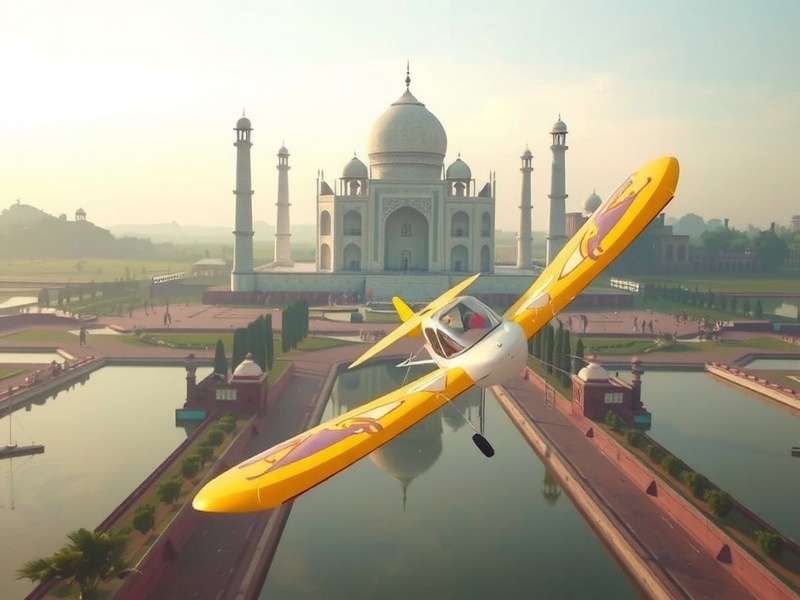
Background: A 24-year-old aerospace engineering graduate from Delhi, Riya is passionate about making flight accessible to everyone. She grew up watching planes take off from Delhi’s Indira Gandhi International Airport and dreamed of designing aircraft that ordinary people could fly. While studying at IIT Delhi, she built her first glider using recycled materials (a true desi jugaad!) and won a national innovation award. Now, she competes in glider races to prove that Indian innovation can rival global technology – and to inspire young girls to pursue careers in STEM.
Signature Ability: "Engine Boost" – Temporarily increases glider speed by 30% and reduces wind resistance for 8 seconds. Perfect for race modes, where speed is key!
Personality: Smart, ambitious, and a little competitive. She often cracks jokes about Delhi’s traffic while flying ("Why sit in a jam when you can fly over it?") and loves explaining the science behind glider flight to her teammates.
Outfits:
- Default: Kurta-pajama with a white lab coat (her college uniform)
- Diwali Special: Sequined salwar kameez with gold embroidery
- Adventure: Hiking gear with a Delhi-themed cap (featuring the Red Fort)
- Epic: Aerospace Engineer Suit (unlocked at level 50) – a sleek blue jumpsuit with IIT Delhi logos
Best For: Casual players, race modes, and players who prefer speed over defense.
2. Arjun Singh (Rajasthan) – Common
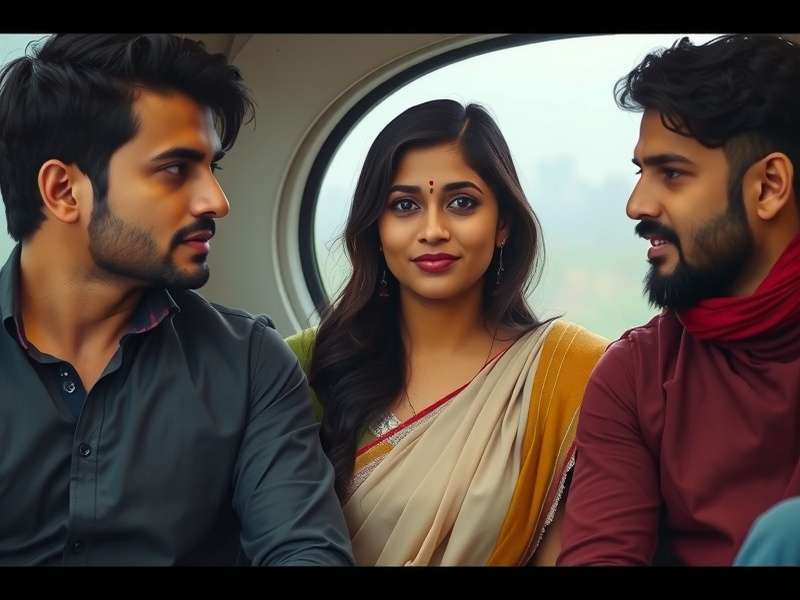
Background: A 30-year-old desert guide from Jaipur, Arjun grew up exploring the Thar Desert on camelback. He knows every sand dune, oasis, and hidden temple in the region, and has a deep love for Rajasthan’s wildlife (especially camels and desert foxes). He discovered his love for gliding after rescuing a stranded tourist with a homemade glider – he used a camel saddle, bamboo poles, and a bedsheet to create a basic glider and flew the tourist to safety. Now, he competes in glider races to fund conservation efforts for the Thar Desert’s endangered species.
Signature Ability: "Sand Shield" – Creates a protective barrier that deflects enemy attacks and traps for 10 seconds. Ideal for team modes, where defense is crucial.
Personality: Calm, wise, and connected to nature. He often shares stories about Rajasthan’s history and wildlife during matches ("Did you know the Thar Desert has over 200 species of birds?") and is always willing to help teammates in need.
Outfits:
- Default: Traditional Rajasthani turban (pagri) and angarkha (a loose-fitting shirt)
- Holi Special: Colorful kurta with a bandana and splashes of Holi colors
- Safari: Khaki outfit with binoculars and a camel-themed belt
- Epic: Desert Guardian Suit (unlocked at level 55) – a golden outfit with camel leather details
Best For: Team modes, Survival Mode, and players who prefer defense over speed.
3. Meera Nair (Kerala) – Common
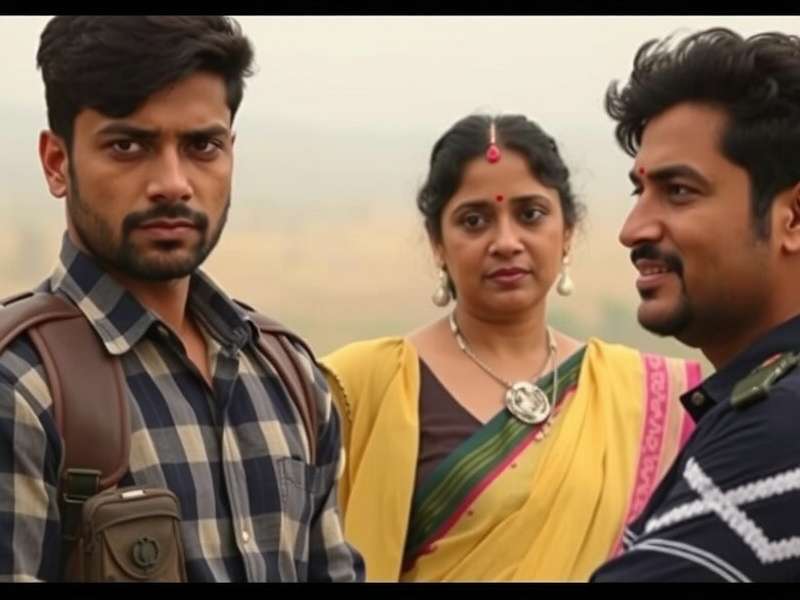
Background: A 22-year-old houseboat operator’s daughter from Alleppey, Meera has spent her entire life on Kerala’s backwaters. She learned to navigate the narrow canals and unpredictable winds at a young age, helping her father run their family’s houseboat business. Her love for gliding began when she saw a group of tourists flying gliders over the backwaters – she begged her father to let her try, and soon discovered she had a natural talent for it. Now, she competes in glider races to promote Kerala’s tourism and raise awareness about backwater conservation.
Signature Ability: "Backwater Drift" – Allows the glider to make sharp turns without losing speed for 6 seconds. Perfect for technical courses with tight corners.
Personality: Cheerful, adventurous, and deeply connected to her roots. She often sings Malayalam folk songs while flying and loves sharing stories about Kerala’s culture ("You haven’t lived until you’ve tried our homemade appam and stew!").
Outfits:
- Default: Traditional Kerala kasavu saree with a golden border
- Onam Special: Floral-themed saree with jasmine garlands in her hair
- Fisherman: Casual shirt and lungi (inspired by local fishermen)
- Epic: Backwater Queen Suit (unlocked at level 45) – a blue outfit with boat-themed embroidery
Best For: Technical courses, Adventure Mode, and players who prefer agility over raw speed.
4. Kabir Khan (Punjab) – Common
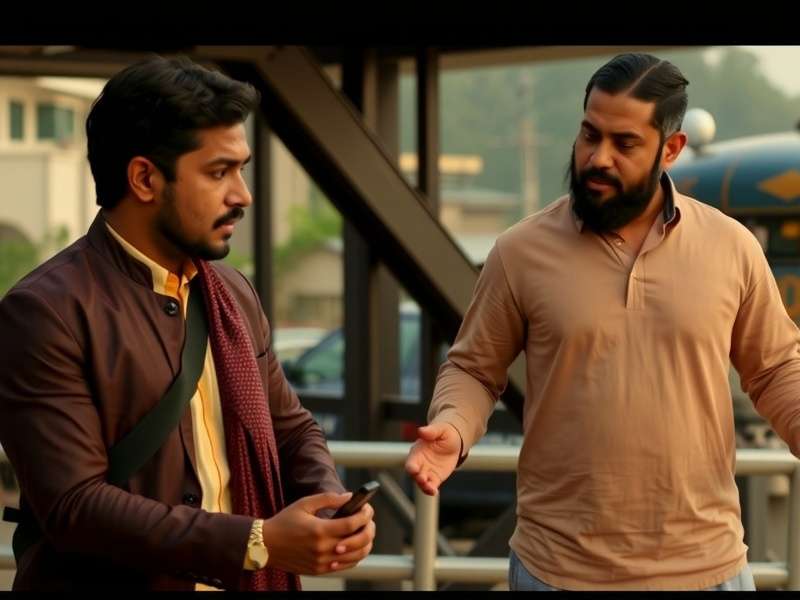
Background: A 28-year-old farmer’s son from Amritsar, Kabir is a former national-level kite-flying champion (Uttarayan festival). He grew up flying kites with his friends in the streets of Amritsar, and his skills with wind and direction made him a local legend. When he saw a glider competition on TV, he knew he had to try – he built his first glider using parts from his father’s tractor and a